Can I open my garage door with a broken spring?
Do not operate the opener or try to lift the door yourself when a spring is suspected to be broken. Keep the opening clear and ask a local provider to assess safe access.
Request a spring repair estimate
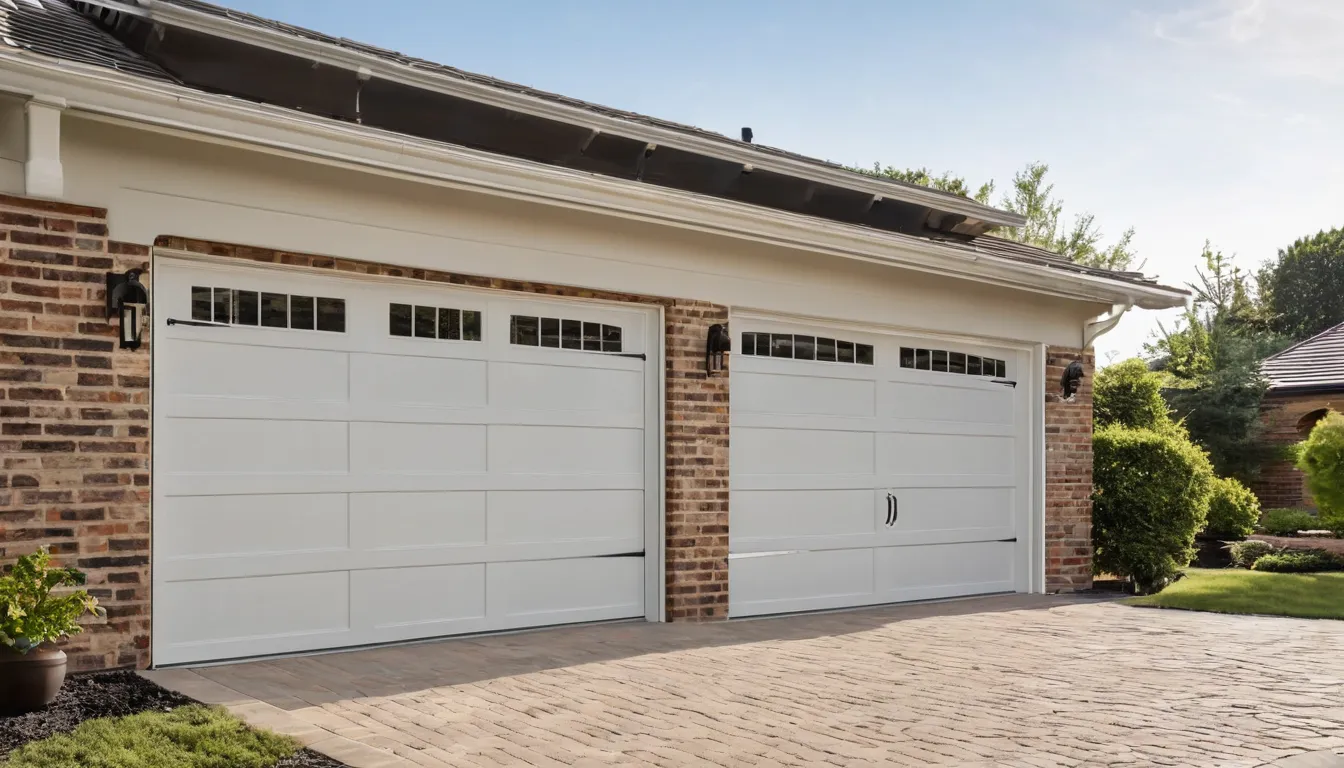
A bang from the garage can leave you wondering whether the whole door needs replacing. Often, the spring system needs attention instead. Springs carry much of the door's weight, so a damaged spring can make an otherwise familiar door difficult or unsafe to move. Through Comai Garage Doors, homeowners in Deer Park can request a connection with independent providers who assess the problem and explain the proposed work.
You do not need to identify the spring type before requesting help. Describe what happened, whether the door is open or closed, and anything you noticed beforehand. The provider can inspect the system and prepare an estimate. Ask which parts need replacement, why they are needed, and what testing follows the repair. Clear answers make the decision easier.
If you heard a sharp bang or the door suddenly stopped lifting, stop operating it. Keep people and pets away from the opening. Do not pull the emergency release on an open door when spring damage is suspected; the door could fall. If the door is closed, leave it closed until a local provider assesses it. A trapped vehicle is frustrating, but forcing the door adds risk.
Tell the provider whether the door is raised, partly open, or resting on the floor. Mention a vehicle inside, a blocked entrance, or any visible hanging parts. These details help the provider understand the situation before arranging an appointment. If you are looking for emergency garage service, ask about current availability and visit charges. Comai Garage Doors makes referrals; the independent provider confirms scheduling and performs the work.
A visible gap in a spring above the door can point to a break. Other clues include a door that rises only a few inches, sits unevenly, or suddenly feels much heavier during normal use. Loose cables may also appear after a spring fails. Look only from a safe distance. Do not lift the door to confirm your suspicion or touch cables that have slipped out of place.
A common assumption is that a running opener means the lifting system is healthy. In practice, the motor can still run while a spring no longer supports the door properly. Repeated attempts may strain other parts. Buying a new garage door opener would not correct a broken spring. Ask the provider to explain the spring findings before approving equipment that does not address the cause of the problem.
Torsion springs usually sit on a shaft above the opening. Extension springs generally run alongside the horizontal tracks. Both systems store energy and help counterbalance the door, but their parts and service needs differ. You do not need to climb up for a closer look. Ask the provider to identify your system and explain how the proposed replacement matches the door's size, weight, and existing hardware.
Spring replacement is not a suitable trial-and-error project. A spring can release stored energy suddenly, and nearby hardware may remain under tension even after a break. Avoid loosening brackets, adjusting winding hardware, or handling cables. Watching a short demonstration does not reveal every hazard in your own setup. A useful provider answer explains how the door will be secured and which components need inspection before work begins.
A spring visit should begin with an assessment, rather than a replacement recommendation based only on a noise description. The provider may examine springs, cables, drums or pulleys, mounting points, and door movement. Track alignment may need checking if the door sits crooked, but that symptom alone does not prove a track problem. Ask what the inspection found and which proposed items relate directly to restoring proper spring support.
If a two-spring system has one broken spring, replacing both may be recommended when they have similar wear and service history. That does not mean every door needs a pair. Some doors use a single spring, and configurations vary. Ask whether the remaining spring shows wear, whether its specifications are known, and how the replacement choice affects balance. The explanation should fit your door, rather than sound like a rule applied to every job.
Standard and higher-cycle springs describe expected operating cycles under specified conditions. A cycle means one opening and closing sequence. A higher rating is not a promise of a certain number of years. Daily use, correct sizing, installation, and conditions all matter. Ask for the proposed spring's cycle rating in writing and the price difference between suitable options. More expensive parts deserve an explanation tied to how your household uses the garage.
Early clues can include new squeaking, rough movement, or an opener that seems to struggle more than before. None identifies a spring problem by itself. In hot, humid weather, visible rust also deserves attention, especially where wind-driven rain reaches hardware. Report changes during normal use instead of running extra tests. Ask the provider which maintenance steps suit the installed parts and which adjustments should be left to a service visit.
An understandable quote separates the proposed spring work from optional items. Check whether it includes parts, labor, visit charges, and removal of replaced springs. Ask who handles any later concern and what written warranty terms apply. Be cautious if a provider pushes for approval without identifying the fault or explaining added parts. You can request clarification before authorizing work. Evidence before extras is a useful rule for this decision.
Before the appointment ends, ask the provider to demonstrate the checks performed after replacement, including door balance and safe operation. Keep yourself clear while testing takes place. Save the invoice, spring specifications, and any warranty terms. Providers in our network handle their own estimates and agreed work. Use the request form to describe your spring concern, or Request a callback to check provider availability.
Ask the provider to identify the failed component and explain how it affects your door's movement.
Confirm that proposed springs suit the door's weight, configuration, and expected pattern of use.
Discuss cable, mounting, and pulley condition before approving additional parts or work.
Ask what testing the provider includes after replacement and request the findings in writing.
These are broad, typical U.S. price ranges, not quotes for your door. Spring size, access, hardware condition, and local labor affect pricing. Rows describe alternatives or possible separate charges; do not add them together. Request a written quote from the provider.
| Item | Typical U.S. range | Notes |
|---|---|---|
| Service visit and diagnosis | $50 – $150 | Ask whether this charge is included in approved repair work. |
| Single torsion spring replacement | $150 – $350 | Typical installed range; door weight and spring specifications matter. |
| Two torsion springs replaced | $250 – $600 | Typical installed range for a pair; confirm why both are proposed. |
| Extension spring pair replacement | $150 – $350 | Typical installed range; related hardware may be priced separately. |
| Higher-cycle torsion spring replacement | $300 – $700 | Typical installed range; spring count and specifications affect the quote. |
| Heavy or oversized door spring replacement | $400 – $900 | Special spring sizing and access can increase the total. |
Use the request form to explain what happened, where the door stopped, and whether access to your garage is blocked.
Discuss appointment availability, assessment charges, and who will handle the proposed spring work.
Ask the provider to explain spring condition, replacement specifications, and the complete written price.
Authorize the agreed scope, then save the invoice, testing details, and written warranty terms.
Comai Garage Doors makes the connection; an independent provider assesses and performs approved work.
Understand what failed, what the proposed parts do, and why each estimate item belongs on yours.
Describe the changes you noticed so the provider can assess causes without premature conclusions.
Compare written options and ask about differences before agreeing to spring replacement.
Do not operate the opener or try to lift the door yourself when a spring is suspected to be broken. Keep the opening clear and ask a local provider to assess safe access.
Sometimes. Springs installed together may have similar wear, but the decision depends on the system and inspection findings. Ask the provider why replacing one or both is appropriate for your door.
For a broken spring, repair usually means replacing it with a correctly sized spring. Ask the provider to explain the failure, proposed specifications, and whether other damaged parts also need attention.
Describe what your garage door is doing and request an estimate. Comai Garage Doors can help connect you with a local provider serving your area.
No obligation