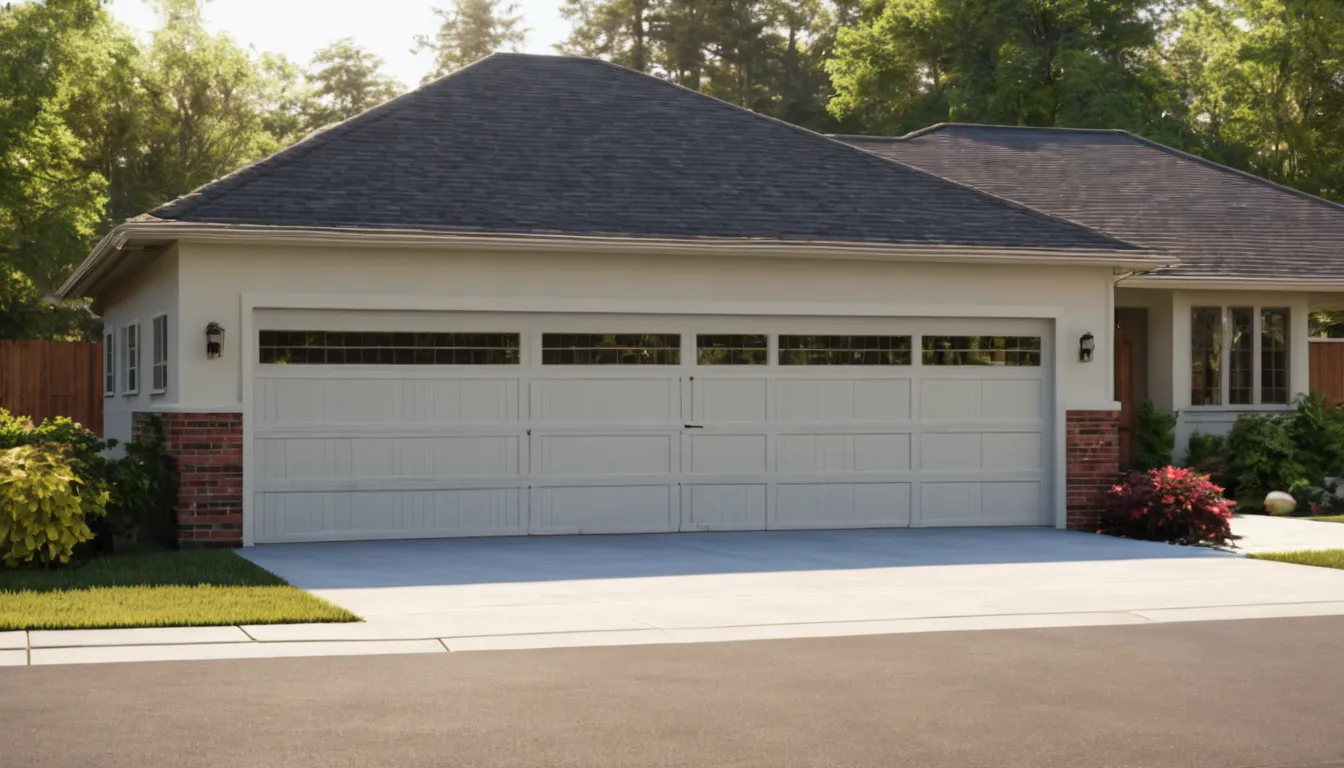
A door that stops halfway can leave you wondering whether the problem is small or serious. Noise alone does not tell you, and a motor that still runs is only part of the picture. Comai Garage Doors helps homeowners in Deer Park connect with independent garage door repair providers. Describe what changed, when it happens, and whether the door looks uneven. Those details give a local provider a useful starting point.
Providers in our network assess the door, explain their findings, and handle any agreed repairs. Across the Deer Park area, the aim is to help you understand the proposed work before approving it. Ask which part failed, what the quote includes, and how the provider will check the repair. You should know who is doing the work and whom to contact afterward.
A tilted or stuck door needs space
If your garage door hangs crooked, has a loose cable, or has a roller outside its track, stop using it. Keep people and pets away from the opening. Do not stand beneath a partly open door or try to push it straight. Avoid pulling the emergency release when the door is raised or looks unstable. Tell the provider whether anyone is trapped or the garage cannot be secured.
Request Service
Explain the urgency before discussing the repair
Searching for emergency garage service does not tell a provider what makes your situation urgent. Explain whether the door blocks your vehicle, leaves the home exposed, or appears likely to fall. Mention the door's position and any visible damage. Availability and appointment timing vary by provider. Request a callback to check provider availability, or use the request form to describe the problem and request an appointment.
Describe the change without guessing the cause
A lot of people assume a loud bang means the opener broke. The sound alone cannot identify the failed part. Share what happened just before the problem: a power interruption, an impact, heavy rain, or an ordinary opening cycle. Useful details include scraping on one side, a new gap at the floor, or a door that reverses at the same point. Photos taken from a safe distance may help.
Match each proposed repair to a finding
Common repair work can involve worn rollers, damaged hinges, loose hardware, cables, tracks, or opener components. These parts work together, so one symptom may have several possible causes. Ask the provider to show you the damaged or worn area and explain how it affects movement. A clear answer connects the proposed work to something observed during the assessment. A long parts list without that explanation deserves more questions.
Scraping does not automatically mean bent tracks
Track alignment can affect how smoothly the rollers travel, but scraping may also come from a worn roller or damaged hinge. Ask what the provider found before agreeing to track work. Do not loosen track brackets or hammer a rail into place yourself. A provider should explain whether adjustment is suitable or whether damage makes replacement of a particular component necessary. The quote should identify that component.
Check the opener diagnosis before buying another
When the motor runs but the door barely moves, a new garage door opener may not solve the underlying problem. Door resistance and opener faults can produce similar symptoms. From a safe position, note any indicator lights or unusual sounds. Ask whether the provider checked the door's movement as well as the opener. For reversal problems, the explanation should address relevant sensors, settings, and mechanical resistance rather than assuming one cause.
Moving under power does not prove good balance
The opener helps move the door; it should not be treated as proof that the lifting system is sound. Uneven movement, strain, or an unusual drop deserves assessment. Ask the provider how they evaluated balance and what the result means. Garage door spring repair involves parts under tension and needs a separate, specific explanation if it is recommended. Do not test a questionable door by disconnecting it yourself.
Separate necessary work from optional changes
A useful estimate makes the distinction easy to see. Ask which items address the reported fault, which address another identified concern, and which are optional. For each item, request the part description, labor charge, and reason for the work. Ask whether the assessment has a charge and whether it counts toward the repair. Understand each line before approving it, including any conditions that could change the total.
Request Service
Replacement needs its own explanation
An older or noisy door does not automatically need full replacement. The provider should consider the condition of the sections, hardware, and available parts when discussing repair. Ask what a targeted repair would accomplish and what problems would remain. If replacement is recommended, request the specific reason a repair is unsuitable. Keep the decision focused on the reported problem, and discuss any proposed upgrades separately before adding them to the quote.
Notice weather-related changes early
Damp weather and heavy downpours can make corrosion, moisture near controls, and worn bottom seals worth watching. After a storm, look from a safe distance for impact damage, displaced hardware, or water near electrical equipment. Avoid operating equipment that appears wet or damaged. Around an attached garage, a changing floor gap may be worth mentioning too. Describe the change without assuming the door, floor, or frame is responsible.
Keep routine checks simple and safe
You do not need to become a repair specialist to notice trouble. Pay attention to new rattles, repeated reversals, jerky movement, and visible wear during ordinary use. Keep stored items away from the tracks and sensor path. Follow the equipment manufacturer's care instructions, and ask the provider which maintenance tasks are appropriate for your door. Leave cable, spring, and structural adjustments to a provider. Report changes before repeated operation adds strain.
Know who handles the job afterward
Comai Garage Doors connects homeowners with independent local garage door repair and installation providers in our network. The provider assesses and performs the work. Before booking, confirm the provider's business name, assessment terms, and contact details. Before payment, ask what was repaired, what checks were completed, and whether any concerns remain. Request written terms for any parts or labor warranty offered by the provider. Pressure to approve unexplained extras, unclear payment terms, or reluctance to document the work are reasons to pause and ask for clarification.
What's Included
Door Movement Assessment
Ask a local provider to explain sticking, uneven travel, scraping, or repeated stopping during operation.
Roller And Hinge Repair Options
Discuss worn moving parts and whether individual component repairs can address the door's reported symptoms.
Opener Troubleshooting
Request checks that distinguish opener faults from door resistance before approving replacement equipment or parts.
Track Checks
Understand whether track position, visible damage, or another component contributes to uneven movement.
Read Repair Prices Alongside The Findings
These typical U.S. ranges are planning guides, not quotes from Comai Garage Doors or a provider. Prices vary by door, parts, access, and job scope. Request a written quote that explains assessment charges, labor, materials, and any additional work before you approve repairs.
| Repair item | Typical U.S. range | What affects the price |
|---|
| Diagnostic service visit | $50 – $150 | Travel and assessment scope; ask whether credited toward repairs. |
| Roller replacement | $100 – $250 | Roller material, quantity, door size, and labor. |
| Hinge replacement | $100 – $250 | Number of hinges and condition of attachment points. |
| Track adjustment or repair | $125 – $400 | Extent of damage and whether sections need replacement. |
| Lift cable replacement | $150 – $350 | Cable configuration, access, and related damage. |
| Garage door opener repair | $100 – $300 | Failed component, model, and parts availability. |
Request Service
How It Works
Describe What Changed
Use the request form to share the door's position, unusual sounds, visible damage, and any concerns about safe access.
Discuss A Provider Appointment
Confirm availability, assessment charges, and the independent provider's business details before agreeing to an appointment.
Review The Repair Explanation
Ask which findings support each recommended repair and request a clear written quote.
Approve An Understood Scope
Authorize the agreed work with the provider, then keep the invoice and any written terms.
Why Call Comai Garage Doors
Questions Before Approval
Use practical questions to connect the provider's findings with the proposed repair, so each charge has an understandable purpose.
Clear Roles
Comai Garage Doors makes referrals, while independent providers assess your door, explain options, and carry out work you approve.
Notice Small Changes
Recognize changes in sound and movement that deserve attention before you settle into ignoring the problem.
Useful Comparisons
Compare written scopes, included parts, and payment terms instead of judging different repair proposals by the total alone.
Other Services